
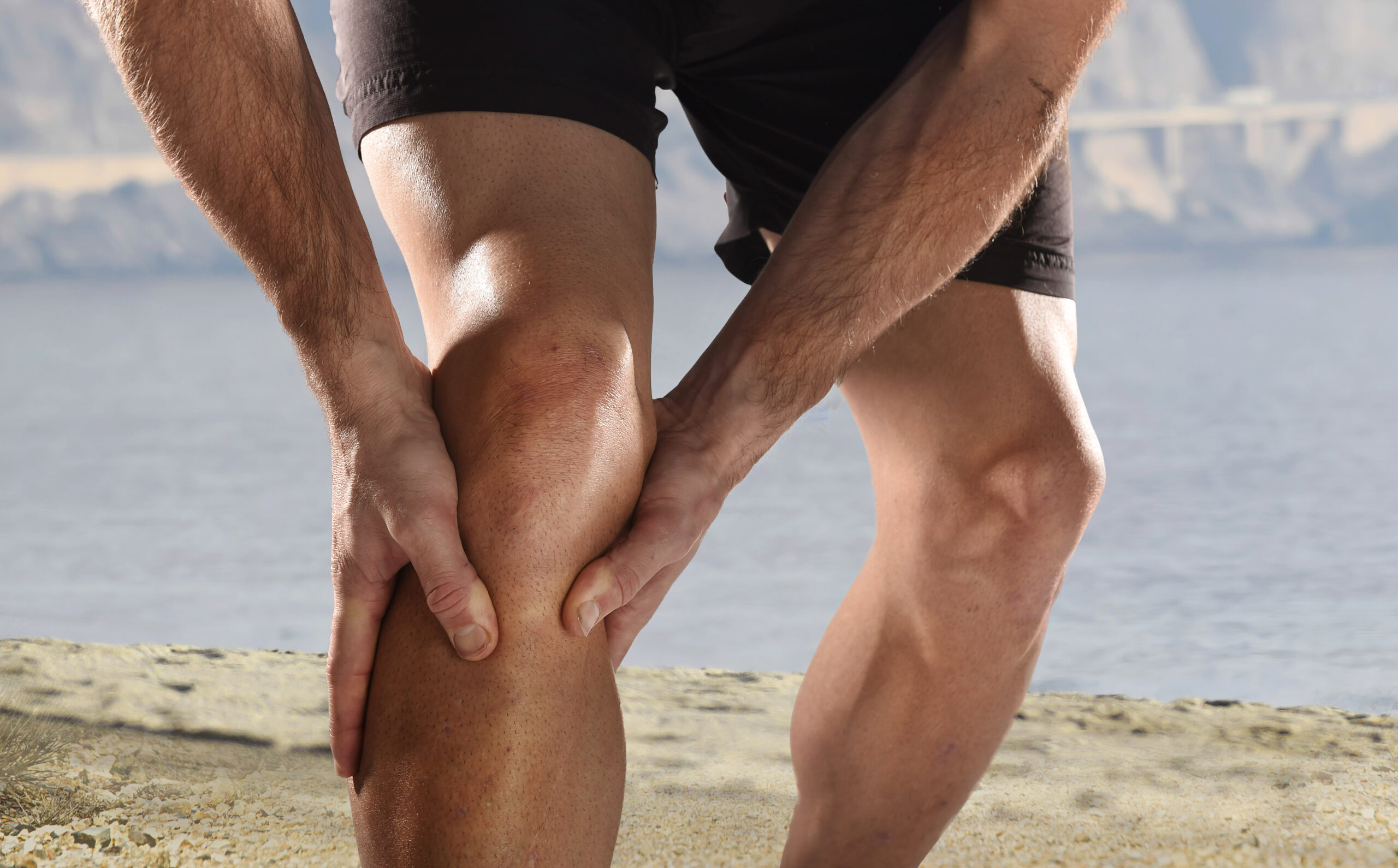
Running is celebrated for being one of the simplest and most enjoyable forms of exercise, offering a profound sense of freedom and connection with nature.
However, this beloved sport carries one of the highest injury rates among athletes, with studies indicating that a staggering 70% of runners will experience some form of injury within a single year.
The silver lining is that many of these injuries are preventable, provided that runners adopt a proactive and informed approach to training, recovery, and self-care.
In this comprehensive series, I will serve as your guide through the maze of common running injuries, unpacking the underlying causes, symptoms, and effective prevention and management strategies.
Foot & Ankle injuries

- Ankle Sprains: Often the result of improper foot placement or uneven terrain, ankle sprains can cause immediate pain and swelling.
- Achilles Tendonitis/Ruptures: This condition arises from repetitive strain on the Achilles tendon, leading to inflammation. A complete rupture, while less common, is a serious injury that can halt your running for an extended period.
- Plantar Fasciitis: Characterized by sharp pain in the heel or bottom of the foot, this condition results from inflammation of the plantar fascia due to overuse or improper footwear.
- Peroneal Tendon Subluxation: This occurs when the peroneal tendons slip out of place, causing lateral ankle pain during activity.
- Shin Splints: A common complaint among runners, shin splints manifest as pain along the shin bone (tibia) due to overuse, improper running form, or worn-out shoes.
Knee Injuries
- Runner’s Knee (Patellofemoral Pain): This injury causes pain around the kneecap and is often related to misalignment or overuse.
- IT Band Syndrome: The iliotibial band, which runs along the outside of the thigh, can become inflamed and painful, often due to tightness or overtraining
- Meniscus Tears: Twisting movements can lead to tears in the knee’s cartilage, causing pain, swelling, and difficulty in movement
- Arthritis: Over time, repetitive motion can lead to wear and tear on the knee joint, resulting in pain and stiffness
Hip and pelvis injuries
- Hip Flexor Strains: These occur when the hip flexors are overstretched or overworked, leading to pain in the front of the hip.
- Hip Bursitis (Greater Trochanteric Pain Syndrome): This condition develops when the bursa — a small fluid-filled sac that cushions the outside of your hip, becomes inflamed. Runners may feel sharp or burning pain on the outside of the hip, especially when lying on that side, climbing stairs, or during long runs. It’s often linked to weak glutes, IT band tightness, or repetitive stress.
- Labral Tears: Damage to the cartilage that cushions the hip joint can result in deep-seated pain and joint instability
Lower Leg Stress Injuries
- Stress Fractures: Small cracks in the bone, commonly caused by repetitive impact, can cause significant pain, especially during weight-bearing activities.
- Calf Strains: Often the result of sudden increases in activity or insufficient warm-up, calf strains can limit mobility and cause discomfort during running.
- Whole bodies injuries: This category delves into the mental and emotional aspects of dealing with injuries. Understanding the psychological toll of being sidelined is crucial for recovery. Additionally, the importance of strength training to support your running routine cannot be overstated. A substantial body is more resilient to injuries. Finally, I will provide insights and strategies to ensure a safe return to running, focusing on gradual progression and listening to your body’s signals.
In this series, expect to dive deeper into one specific injury each week. We will discuss how to recognize early warning signs, what is happening within your body, and practical, actionable strategies for healing and prevention. Think of this as your ultimate playbook for maintaining a healthy, vibrant running journey, one that empowers you to stay resilient and strong while pursuing the joy of running.
The Vagus Nerve: The Body’s Pathway to Calm and Connection
Pin it When people talk about “calming your nervous system” or “activating the parasympathetic response,” they’re often pointing to one powerful player: the vagus nerve.

How to Run Your Own Race: Pacing Strategies for Marathoners
This piece was originally published in 2015 on Indigo Runner, my former blog. I’m republishing it here because pacing is still one of the most

Gluteus Medius: Small Muscle with a Big Purpose
This piece was originally published in 2015 on Indigo Runner, my former blog. I’m republishing it here because weak glutes are still the most overlooked

Perception: How Making Little Shifts Can Make a Big Impact
This piece was originally published in 2015 on Indigo Runner, my former blog. I’m republishing it here because perception is still the thing I come

How to Get Started with the Maffetone Method
How to Get Started with the Maffetone Method If you’ve ever felt like you’re running hard all the time but not actually getting faster, you’re

What’s Actually Happening in Achilles Tendonitis?
I’ve run long enough to know that Achilles pain rarely announces itself loudly. It starts as a whisper, a little stiffness in the morning,